


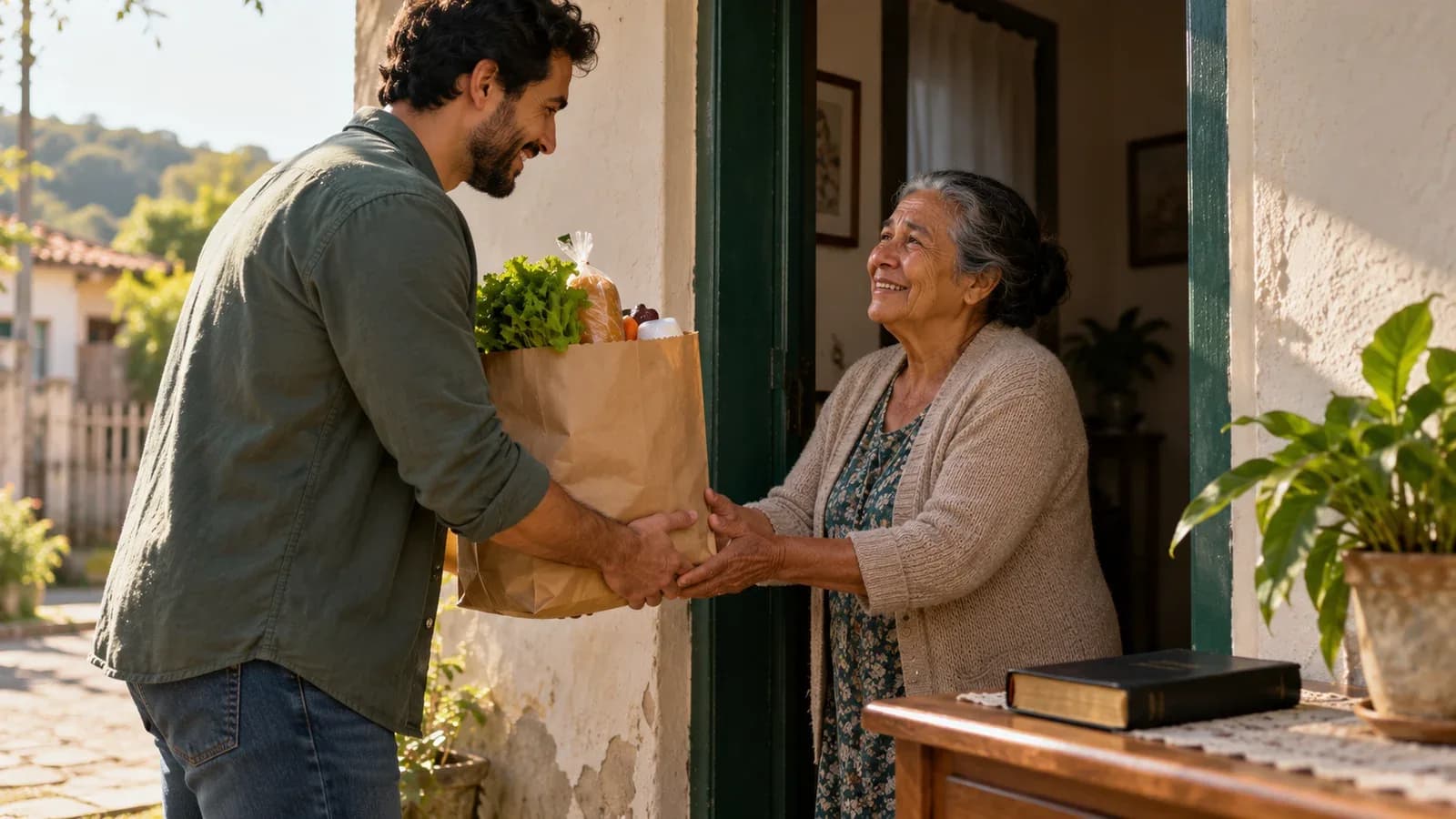
It is possible to know many Christian songs, follow preachers, and attend events without noticing changes in everyday life. That possibility makes it worth distinguishing gospel culture from Christian living while appreciating the good that art and communication can offer.
Participating in gospel culture means engaging with cultural expressions associated with faith. Christian living involves trusting Christ and learning to follow him in daily relationships, decisions, and responsibilities. The two can belong together, but one does not automatically demonstrate the other.
Religious familiarity is not the same as discipleship
Discipleship is the ongoing process of learning to follow Jesus. Knowing a group's vocabulary can help communication, but it does not, by itself, demonstrate repentance, love, or obedience.
Ephesians 2:8–10 establishes an important order: salvation is God's gracious gift, received through faith; good works belong to life in Christ. Neither consuming religious content nor filling a calendar with activities purchases God's acceptance.
An everyday example
Someone might post statements about forgiveness while refusing to acknowledge a lie they told. The shared teaching may be true, but it has not yet received a consistent response in that situation.
A Christian response would involve admitting the wrong, sincerely asking forgiveness, and repairing the damage where possible. This is not a public performance. It is responsibility before God and a neighbor.
What changes when faith moves beyond a screen?
From admiration to practice
In James 1:22–25, hearing the Word without doing it is compared with looking in a mirror and immediately forgetting what was seen. The image exposes self-deception; it does not suggest that listening to good teaching is useless.
After a message, ask what concrete response it calls for. You might need to stop a dishonest practice, listen patiently to someone, or take responsibility for something you have neglected.
From an audience to a community
Acts 2:42–47 describes Christians learning, praying, sharing meals, and meeting needs. Community life involves relationships, not merely an audience.
Watching a livestream can be helpful, including for people with physical limitations. It does not make real relationships of care and accountability irrelevant. Those relationships should be pursued within each person's circumstances and abilities.
From an image to character
The Spirit's fruit in Galatians 5:22–23 reaches into how we treat people. Patience and self-control matter when no one is recording us, too.
Connect what you consume with how you live
Try a simple rhythm after studying or listening:
- Understand: what does this passage mean in context?
- Examine: where does my life resist this teaching?
- Practice: what specific step can I take?
- Share: who can walk with me as I learn?
Do not turn the exercise into a spiritual productivity contest. Growth includes acknowledging weakness, depending on grace, and persevering.
Can music and events help?
Yes. They can teach, encourage, nurture gratitude, and bring people together. The problem arises when they replace faith or become measures of superiority. Liking a particular artist does not make someone closer to God.
Choose one biblical teaching you already know and one honest way to practice it today. Christian living matures when the truth we hear begins to guide what we do.
Biblical passages are discussed through paraphrase; read them in their full contexts.